


Black Trichologist Near Orlando: Scalp Analysis in Lake Mary
Updated: Oct 6
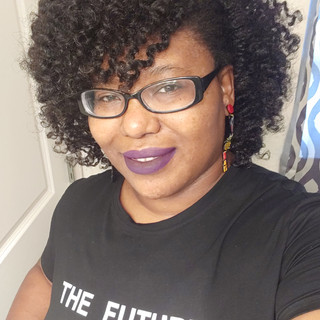
Written by Syreeta “Reeta” Scott, Certified Trichologist and Licensed Natural Hair Professional
Searching for a Black trichologist near me in Orlando or Lake Mary? I’m Syreeta “Reeta” Scott at Reeta’s Organics in Lake Mary. My Hair Loss Consultation and Scalp Analysis gives you time to discuss shedding, thinning, breakage, and scalp concerns with someone who understands natural hair, microlocs, and protective styles.
I use a digital magnifying scope to examine your scalp and hair, review your routine and history, and explain practical next steps. If your symptoms require a medical diagnosis or treatment, I recommend seeing a dermatologist. You can request a private space when booking.
Hair Loss Consultation and Scalp Analysis: At a Glance
Location: 109 East Crystal Lake Avenue, Suite 181, Lake Mary, FL 32746. Serving Orlando and Central Florida.
Format: In person with Syreeta Scott.
Appointment: 75 minutes.
Listed price: $250. Check the booking page for the current total and any applicable fees.
Includes: Digital scalp examination, hair and scalp history, routine review, and discussion of care options.
Private space: Let us know when booking if you prefer privacy.
Questions before booking? Call 407-520-6292. If you mainly want help choosing products or planning a hairstyle, our natural hair consultation may be a better starting point.

At Reeta's Organics, Syreeta and Miss Donna bring textured-hair knowledge, scalp care, and personal attention together under one roof.
Why Textured Hair Experience Matters
I often hear from women who struggle to find a hair-loss professional who understands both scalp health and textured hair. Tight styles, extensions, braids, locs, chemical services, heat, product buildup, family history, hormones, health conditions, and stress can all be part of the conversation. I want to consider the full picture instead of blaming one hairstyle or giving every client the same product list.
Representation matters because trust matters. You should be able to talk openly with me about your styling history, how you care for your hair at home, and what you have already tried. You should feel understood when we discuss shrinkage, density, curl patterns, locs, protective styling, and the emotional impact of losing hair.
When You Need a Private Space
Some ladies are comfortable having their consultation in the open salon. Others arrive wearing a wig, scarf, or hairpiece and worry about taking it off where someone might see them. I do not want a woman to feel like everybody in the salon knows her business.
If you need privacy, let me know when booking. I arrange a private space where it is just the two of us. You can show me the areas that concern you and tell me what you have been going through. I give you time to get comfortable before we begin.
This is especially important because some forms of hair loss can be easy to overlook in their early stages. The American Academy of Dermatology notes that Black women can experience conditions like traction alopecia and central centrifugal cicatricial alopecia, or CCCA. CCCA is a scarring form of hair loss, so early medical diagnosis matters. A trichologist can help you document changes and recognize when a dermatologist should become part of your care team; a dermatologist is the medical professional who can diagnose disease, perform a biopsy, and prescribe treatment.

A digital scalp analysis magnifies the scalp surface, hair strands, and follicular openings so we can discuss visible changes. It cannot diagnose an internal health condition or replace a medical examination.
What Happens During Your Scalp Consultation?
We start with your story: what you have noticed, when it began, and what you have already tried. I want to understand the change before recommending a routine.
I use a digital magnifying scope to look closely at your scalp and hair. We review your styling habits, products, health history, medications, and recent changes. Then I explain what I observe and discuss practical next steps.
A Simpler Product Routine
Many women arrive with bags full of products because they have been trying to solve the problem at home. I do not judge that. We review what you use, how you use it, and what may need to change.
I make conditioners, leave-ins, moisturizing creams, and stimulating butters at Reeta’s Organics, but not every client needs the same products. You may need more moisture, less buildup, or a simpler routine. If something you already own works for you, I will tell you that too.
I call my butters stimulating butters, rather than growth oils. They may support your care routine when appropriate, but one product cannot fix every cause of hair loss.
Clients have shared feedback about their appointments on our Setmore reviews page. You can read their experiences before deciding whether this consultation fits your needs.

I will also be honest with you. If I see something that needs medical attention, I will tell you to visit a board-certified dermatologist or another appropriate healthcare professional. I care more about helping you reach the right answer than about handling something outside my role.
Book the consultation: Hair Loss Consultation/Scalp Analysis with Syreeta Scott
Meet Miss Donna: Textured Hair Care at Reeta’s Organics
Miss Donna is not just another stylist at Reeta's Organics. She is one of those people every team needs. She is dependable, resourceful, passionate about natural hair, and committed to the women we serve. She has supported Reeta's Organics from the beginning, and I value the knowledge, care, and community spirit she brings into the salon.
Donna is a natural-hair stylist, certified trichologist, certified Microlocs specialist, and our go-to henna professional. Like me, she believes that healthy hair care should start with listening, education, and understanding the whole person. We both prefer natural ingredients and gentle, practical methods when they are appropriate. We also understand that caring for a client sometimes means recommending stronger support or telling her when she needs a dermatologist.
Long before Donna became part of our salon team, she was already doing work that connected directly with what I believe. She co-founded Hair She Grows, a community-driven natural-hair and skin-care platform that has produced Central Florida events since 2010. Hair She Grows created spaces where women could learn about natural beauty, feel seen, and connect with other women. That is not separate from Donna's work at Reeta's Organics. It is part of who she is.
I see that same care in the way Miss Donna works with our clients. She pays attention to what a woman is experiencing, but she also remembers that the woman still wants to feel good about her hair. One client experiencing hair loss appreciated how Donna listened and created a style that helped camouflage the affected area. That is Miss Donna. She looks at the concern, cares about the person, and draws on her experience to help the person feel comfortable again.

Miss Donna is a trusted part of Reeta's Organics and shares my commitment to textured-hair education and thoughtful scalp care.

Scalp care begins with gentle cleansing, close attention, and a treatment selected for the client's hair and scalp needs.
What I Am Looking For During Your Scalp Analysis
I look at the scalp surface, follicular openings, hair strands, and differences in density. We compare those observations with your timeline, styling habits, and the changes you have noticed.
Shedding and breakage are different. Shedding involves a full strand releasing from the follicle. Breakage happens along the hair shaft. Both can make your hair look thinner, so that distinction helps guide our conversation.
I also look for buildup, flaking, redness, and visible irritation, and ask about itching or tenderness. The camera lets you see the areas we are discussing, so my explanation is easier to follow.

Flaking, buildup, itching, tenderness, and changes in density are details I want to examine before recommending a care plan.
What to Bring to Your Hair Loss Consultation
You do not need every answer before your appointment. Bring what you have, and we will work through it together.
Your timeline: when shedding, thinning, or scalp changes began.
Your products: names or photos of shampoos, oils, sprays, and treatments.
Your styling history: braids, locs, extensions, heat, chemicals, and any painful styles.
Your symptoms: itching, burning, soreness, flaking, or increased shedding.
Your health information: medication and supplement lists, plus existing test results if available.
Older hair photos: clear views of your hairline, crown, or part for comparison.
You do not need to bring your whole bathroom cabinet. Pictures of your products or a written list are fine. Please be honest about anything you have tried. I am here to help, not judge.
What Happens After the Consultation?
Your next steps may include changes to cleansing, product use, or styling tension, a suitable salon scalp treatment, follow-up photos, or a dermatologist referral. We decide based on your needs.
Hair changes take time. I will not promise that one oil, treatment, or appointment can regrow every area. Follow-up photos and scalp checks can help us compare changes and adjust your routine.
Why I May Ask About Blood Work
Hair and scalp changes do not always begin with a styling problem. Iron, vitamin D, zinc, thyroid, hormonal, and other health concerns can sometimes contribute to hair loss or shedding. That is why I may ask whether you have recent blood work or recommend discussing appropriate testing with your healthcare provider.
A trichologist does not replace the medical professional who orders and interprets laboratory tests. The purpose of discussing blood work is to avoid guessing. If a deficiency or health condition is present, your physician can diagnose it and guide treatment. The American Academy of Dermatology also cautions against taking hair supplements without evidence of a deficiency because unnecessary supplementation can be unhelpful or even harmful.
Should I See a Trichologist or a Dermatologist for Hair Loss?
Book a dermatologist promptly if you have sudden or rapidly progressing hair loss, smooth bald patches, scalp pain or tenderness, burning, sores, pus, significant inflammation, signs of scarring, or other symptoms that concern you. A dermatologist can provide a medical diagnosis and may use laboratory testing or a scalp biopsy when needed.
You do not have to choose between a trichologist and a dermatologist. We serve different roles. I can help you examine your routines, document scalp changes, support healthy hair practices, and recognize when medical care is the responsible next step. A dermatologist diagnoses and treats medical disease.
Scalp Analysis or Head Spa: Which Service Do I Need?
Choose a Hair Loss Consultation/Scalp Analysis when you are trying to understand unexplained shedding, thinning, bald areas, recurring irritation, scalp changes, or a possible hair-loss condition. This appointment is designed around information, documentation, and an individualized plan.
Choose a Japanese-inspired head spa and scalp treatment when your main goals are deep cleansing, removing buildup, hydration, scalp massage, relaxation, and routine scalp care. The head spa can leave the scalp feeling refreshed, but it is not a medical diagnosis and should not delay a dermatologist visit when warning signs are present.
Some clients may benefit from both services at different points in their care. Start with the scalp analysis if you do not know why your hair or scalp is changing.
How We Approach Scalp Care
Miss Donna and I value natural ingredients and practical hair care. We choose products and salon treatments around the person in our chair, with medical care involved when needed. Natural care should never delay attention to a serious scalp concern.

When a customized treatment fits the client's needs, we prepare it with the goal of supporting the scalp and natural hair without making unrealistic promises.
Where to Book a Scalp Analysis Near Orlando
Reeta's Organics is located at 109 East Crystal Lake Avenue, Suite 181, in Lake Mary, Florida. The salon serves clients from Orlando, Oviedo, Sanford, Winter Springs, Altamonte Springs, and across Central Florida who want textured-hair expertise and a more personal approach to scalp care.
If you have been searching for a Black trichologist near me, scalp analysis near me, or a detailed hair loss consultation, your next step is a conversation—not another random product. Book Reeta's Organics services or reserve the Hair Loss Consultation/Scalp Analysis.
Frequently Asked Questions:
What does a trichologist do?
A trichologist focuses on hair and scalp concerns. In my consultation, I use a magnifying scope, review your history and routine, and discuss supportive hair care. A dermatologist handles medical diagnosis and treatment.
How much does it cost to see a trichologist at Reeta's Organics?
The Hair Loss Consultation and Scalp Analysis is currently listed as a 75-minute in-person appointment for $250. Check the current booking details for the total, any fees, and appointment policies.
Can a trichologist help with hair loss?
I can help you review shedding, thinning, breakage, and scalp changes, assess your routine, and plan supportive care. If the concern needs medical diagnosis or treatment, I recommend a dermatologist.
Are trichologists doctors?
Trichology certification alone does not make someone a medical doctor. I am a certified trichologist and licensed natural hair professional. I do not perform biopsies, prescribe medication, or diagnose scalp disease.
Is seeing a trichologist worth it?
A consultation may be useful if you keep buying products without understanding what is changing. It gives you time to review your routine, see your scalp closely, and discuss a practical next step.
Can a vitamin deficiency contribute to hair loss?
Some deficiencies can contribute to hair loss. Ask your healthcare provider whether testing is appropriate. They should interpret the results and guide treatment. Do not start high-dose supplements based only on hair symptoms.
Is a scalp analysis the same as a head spa?
No. Scalp analysis focuses on your hair and scalp concerns, history, and routine. A head spa focuses on cleansing, massage, and relaxation. Neither replaces medical care.
Does Reeta's Organics work with natural hair, microlocs, and protective styles?
Yes. Miss Donna and I work with natural hair, microlocs, and protective styles. Tell us about your full styling history so we can discuss tension, buildup, and breakage.
What should I look for in a trichologist for Black hair?
Look for textured hair experience, clear explanations, and someone who listens before recommending products. They should understand their professional role and refer you for medical care when needed.


Comments